

ROSELLE Fruit Seeds
Botanical Name: Hibiscus sabdariffa
- Also known as Jamaica Sorrel, Rosella, and Edible Hibiscus.
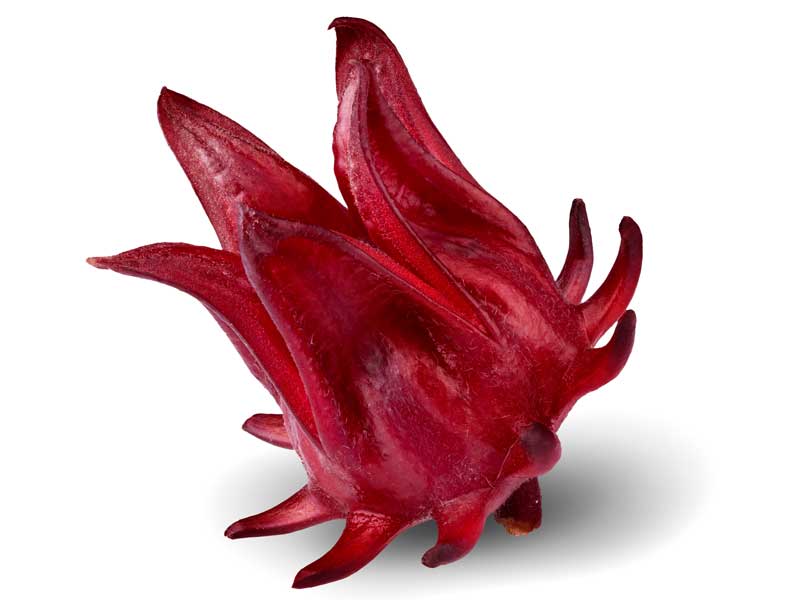
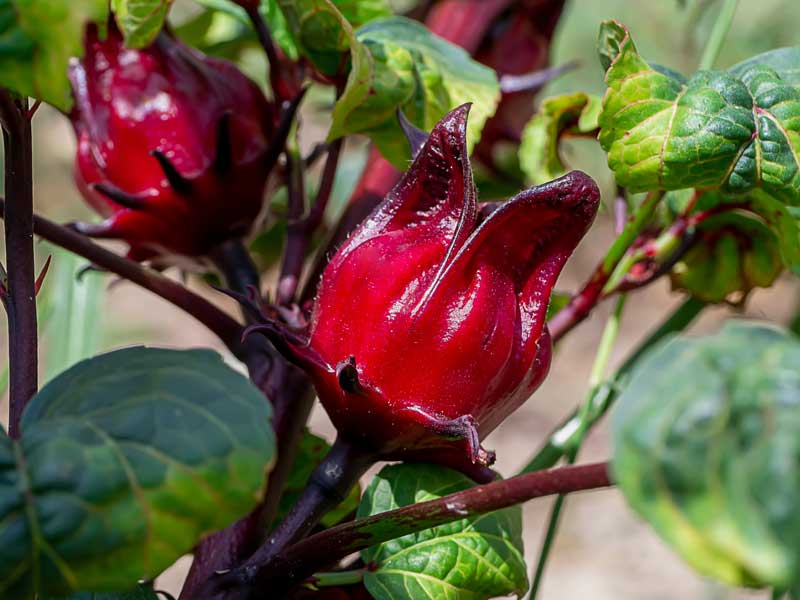
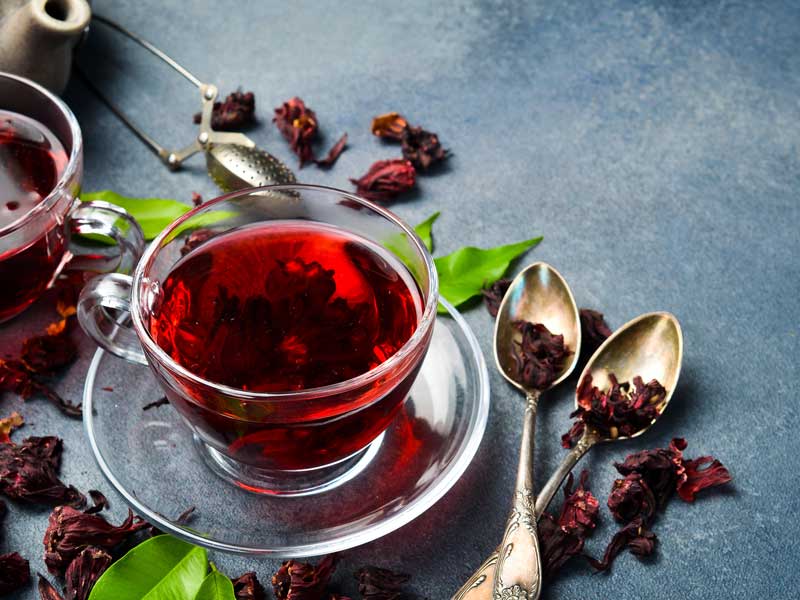
- Produces fleshy red calyces perfect for making jam, tea, cordials, and chutneys.
- A stunning, upright annual shrub with deep green foliage and creamy hibiscus flowers.
- Fast-growing and highly ornamental, suitable for edible gardens or subtropical food forests.
- Requires a long, warm growing season—best suited to warmer parts of New Zealand such as Northland, Auckland, Bay of Plenty, and coastal regions with extended frost-free periods.
Plant Details:
- Plant Type: Annual tropical shrub (to 2 m tall)
- Climate: Best in warm, frost-free climates (North Island & warmer South Island microclimates)
- Position: Full sun, sheltered from wind
- Soil: Rich, well-drained soil with plenty of organic matter
- Spacing: 60–80 cm apart
- Time to Maturity: Approx. 5–6 months from sowing to harvest
Sowing Information:
- Sowing Time: Sow in late spring to early summer once soil temperatures are consistently above 27 °C.
- Seed Preparation: Soak seeds in warm water overnight to speed germination.
- Sowing Depth: 1–1.5 cm deep
- Germination Temperature: 27–32 °C
- Germination Time: 7–14 days
- Transplanting: Start indoors if needed and transplant once all risk of frost has passed.
When to Sow Rosella in Your Climate
| Climate Zone | Sowing Window |
|---|---|
| Warm Northern NZ (e.g. Northland, Auckland, Bay of Plenty) |
October – December |
| Mild Coastal (e.g. Taranaki, Wellington, Nelson) |
November – Early December (Start indoors for best results) |
| Cooler Inland or Southern Regions | Not recommended unless grown in a greenhouse or tunnel house |
Growing Tips:
- Keep soil moist but not soggy, especially during flowering and fruiting stages.
- Feed with a balanced organic fertiliser during early growth, then switch to a potassium-rich feed when flowering begins.
- Mulch well to retain moisture and suppress weeds.
- Harvest calyces once they are plump and firm, typically about 2–3 weeks after flowering.
