

Red Amaranth Microgreen Seeds
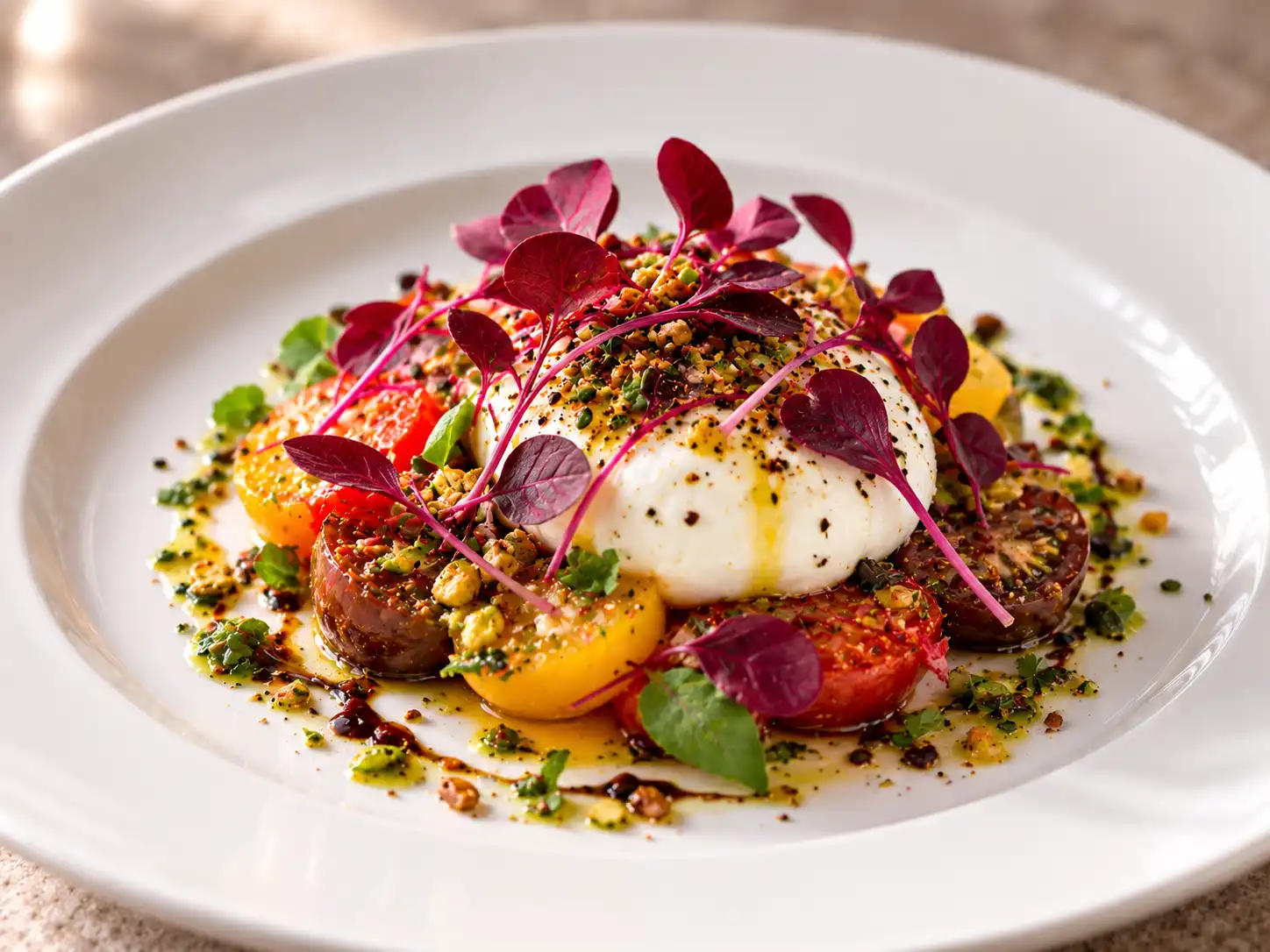
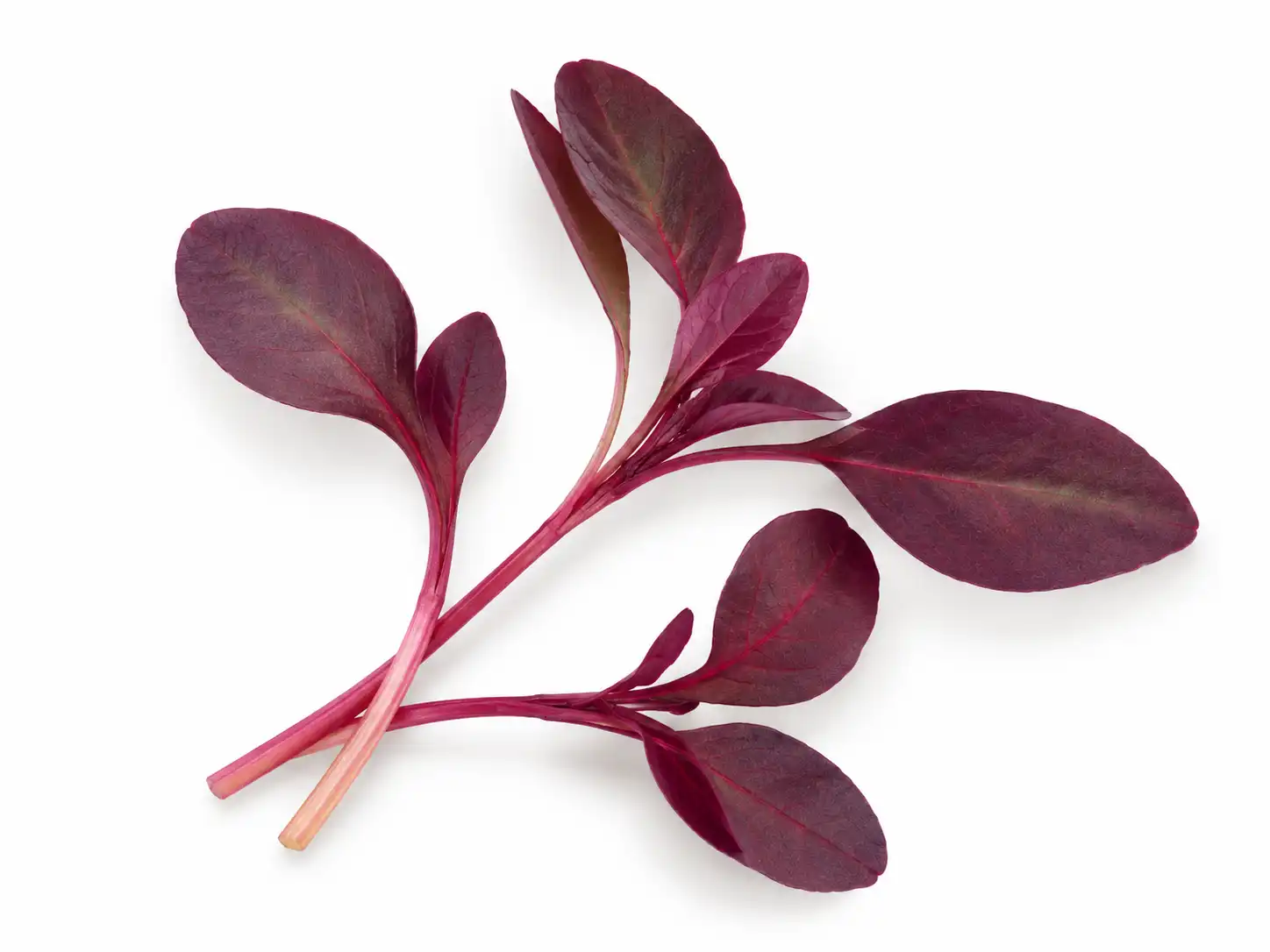
Untreated, open-pollinated red amaranth seed for commercial microgreen production. Red amaranth produces fine, delicate microgreens with striking red to fuchsia stems and leaves and a mild, earthy flavour. Its intense colour and refined appearance make it particularly useful for microgreen farms and growers supplying chefs, restaurants, retailers and specialty fresh produce customers.
Red amaranth is generally slower to reach harvest than fast-growing brassica microgreens. It is commonly harvested approximately 16–25 days after sowing, depending on temperature, light, growing system and preferred harvest stage. The very small seed is suited to shallow tray production using a fine, evenly prepared growing medium.
Red Amaranth Microgreen Seed Details
| Botanical name | Amaranthus tricolor |
|---|---|
| Variety | Red Amaranth |
| Seed type | Open-pollinated |
| Seed treatment | Untreated |
| Pre-soak | Not required |
| Starting sowing rate | Approximately 7–8 g per 10 × 20 inch tray; adjust to suit your medium and production method |
| Growing medium | Fine soil or soilless microgreen medium with good moisture retention and drainage |
| Germination | Approximately 3–5 days under suitable warm conditions |
| Typical harvest | Approximately 16–25 days after sowing |
| Supply | Available for growers in Singapore and other eligible international destinations, subject to shipping and import requirements |
Why Grow Red Amaranth Microgreens?
- Distinctive red to fuchsia colour provides strong contrast in plated dishes and microgreen mixes.
- Fine stems and delicate leaves give the crop a refined appearance suited to chef and restaurant markets.
- Mild, earthy flavour that can be used without overpowering other ingredients.
- Useful as a colourful garnish and as a component of specialty microgreen mixes.
- Very small seed means relatively little seed is required per production tray.
- No pre-soaking required.
- Untreated, open-pollinated seed.
Growing Red Amaranth Microgreens for Commercial Harvest
Use approximately 7–8 g of seed per standard 10 × 20 inch tray as an initial trial rate. Because amaranth seed is extremely small, careful and even distribution is important. Fine-tune the sowing rate for your tray dimensions, medium, airflow and target harvest stage.
- Prepare trays. Fill the tray with a fine, evenly levelled and pre-moistened growing medium. Avoid a coarse or uneven surface that can reduce seed-to-medium contact.
- Sow evenly. Carefully distribute the small seed across the surface. Pre-soaking is not required. Gently press the seed into the medium to improve contact.
- Cover for germination. Lightly cover or use a humidity cover according to your production method. Avoid burying the fine seed deeply.
- Manage moisture. Maintain even moisture without saturating the growing medium. Fine misting or bottom watering can help minimise disturbance to the small seeds and delicate seedlings.
- Provide light and airflow. Once established, expose seedlings to suitable natural or artificial light. Maintain good ventilation and avoid prolonged wet foliage or saturated media.
- Harvest carefully. Cut above the growing medium once the crop reaches your preferred size and colour, commonly around 16–25 days after sowing.
Flavour & Culinary Uses
Red amaranth microgreens have a mild, earthy flavour and a delicate texture. Their vivid red to fuchsia colour is their principal culinary feature, making them particularly useful as a restrained garnish for high-end plated dishes. They can also add colour and texture to salads and specialty microgreen mixes.
Supply for Singapore and International Growers
Seedmart supplies microgreen seed to commercial growers, market gardeners and produce businesses. This product is available to customers in Singapore and may be supplied to other countries where shipping and import conditions allow. International order requirements vary by destination and quantity; contact us for bulk orders or export enquiries.
Frequently Asked Questions
How long do red amaranth microgreens take to grow?
Red amaranth is generally slower than fast-growing brassica microgreens. A typical commercial harvest is approximately 16–25 days after sowing, depending on temperature, light, moisture and the preferred harvest stage.
How much seed should I sow per tray?
Approximately 7–8 g per standard 10 × 20 inch tray is a useful starting point. Because the seed is extremely small, relatively little seed is required. Adjust the rate after trialling it in your own production system.
Does red amaranth seed need to be soaked?
No. Pre-soaking is not required. Sow the fine seed directly onto a moist, evenly prepared growing medium.
Why is red amaranth popular with chefs?
Its vivid red to fuchsia colour, fine stems and delicate leaves provide strong visual contrast while its mild flavour allows it to complement rather than dominate plated dishes.
Can red amaranth be grown in Singapore?
Yes. Amaranth is a warm-growing crop, but commercial microgreen production still requires careful moisture management and good airflow. In Singapore’s warm and humid conditions, avoid excessive watering, saturated media and overly dense trays.
Is the seed treated?
No. This red amaranth seed is supplied untreated.
Do you supply growers outside Singapore?
Yes. Seedmart can supply eligible international destinations, subject to the destination country’s import requirements and the documentation needed for the order. Contact us with your country and required quantity so we can assess the available shipping pathway.
Reviews
There are no reviews yet.